
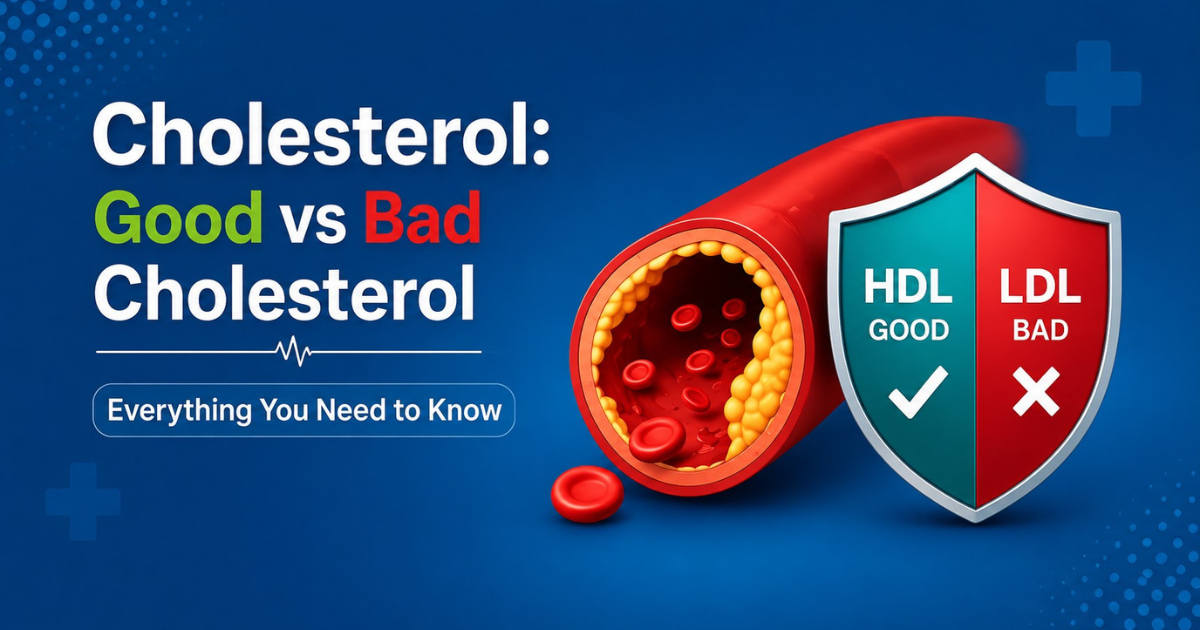
Learn the difference between good (HDL) and bad (LDL) cholesterol, their effects on heart health, causes of high cholesterol, symptoms, diagnosis, treatment, and effective ways to maintain healthy cholesterol levels.
Cholesterol: Good vs Bad Cholesterol Explained
Cholesterol is a waxy, fat-like substance found in every cell of your body.
It plays an essential role in producing hormones, vitamin D, and bile acids
that help digest fats. Although your body needs cholesterol to function
properly, having too much of the wrong type of cholesterol can increase your
risk of heart disease, stroke, and other cardiovascular conditions.
Understanding the difference between good cholesterol (HDL)
and bad cholesterol (LDL) is one of the most important steps
toward maintaining a healthy heart.
What is Cholesterol?
Cholesterol is naturally produced by the liver, and your body makes all the
cholesterol it needs. It is also obtained from foods such as red meat, full-fat
dairy products, butter, fried foods, and processed snacks.
When cholesterol levels become too high, especially LDL cholesterol, it
starts accumulating inside the walls of arteries. Over time, this buildup forms
plaques that narrow the arteries, reducing blood flow to vital organs like the
heart and brain.
Types of Cholesterol
HDL (High-Density Lipoprotein) – Good Cholesterol:
HDL is commonly known as good cholesterol because it helps
remove excess cholesterol from the bloodstream and transports it back to the
liver, where it is broken down and removed from the body.
Benefits of HDL:
·
Helps reduce the risk of heart disease
·
Prevents plaque buildup in arteries
·
Improves blood circulation
·
Supports overall cardiovascular health
Higher HDL levels are generally associated with better heart health.
LDL (Low-Density Lipoprotein) – Bad Cholesterol:
LDL is known as bad cholesterol because it carries
cholesterol to different parts of the body. Excess LDL can stick to artery
walls and gradually form plaque, making arteries narrow and less flexible.
High LDL cholesterol increases the risk of:
·
Heart attack
·
Stroke
·
Peripheral artery disease
·
Coronary artery disease
·
High blood pressure
Keeping LDL cholesterol under control is essential for maintaining a healthy
cardiovascular system.
Triglycerides:
Triglycerides are another type of fat found in the blood. After you eat,
your body converts unused calories into triglycerides and stores them for
future energy.
However, high triglyceride levels combined with high LDL and low HDL
significantly increase the risk of heart disease and stroke.
Causes of High Cholesterol:
Several lifestyle and medical factors can contribute to high cholesterol,
including:
·
Unhealthy diet rich in saturated and trans fats
·
Lack of physical activity
·
Obesity or excess body weight
·
Smoking
·
Excessive alcohol consumption
·
Diabetes
·
Hypothyroidism
·
Kidney disease
·
Family history of high cholesterol
·
Increasing age
Making healthy lifestyle changes can significantly improve cholesterol
levels.
Symptoms of High Cholesterol:
One of the biggest concerns with high cholesterol is that it usually does
not cause noticeable symptoms. Many people are unaware they have high
cholesterol until they develop complications such as chest pain, heart attack,
or stroke.
Regular health check-ups and blood tests are the best way to detect cholesterol problems early.
Risk Factors:
You may have a higher risk of developing high cholesterol if you:
·
Are over 40 years of age
·
Have a family history of heart disease
·
Have diabetes or hypertension
·
Smoke or use tobacco products
·
Are overweight or obese
·
Follow a sedentary lifestyle
·
Eat unhealthy processed foods frequently
Diagnosis:
Doctors diagnose high cholesterol using a Lipid Profile Test,
a simple blood test that measures:
·
Total Cholesterol
·
LDL (Bad Cholesterol)
·
HDL (Good Cholesterol)
·
Triglycerides
Adults should have their cholesterol checked regularly, especially if they
have risk factors for heart disease.
Healthy Cholesterol Levels
General healthy cholesterol values include:
·
Total Cholesterol: Less than
200 mg/dL
·
LDL Cholesterol: Less than 100
mg/dL
·
HDL Cholesterol: 60 mg/dL or
higher
·
Triglycerides: Less than 150
mg/dL
Your doctor may recommend different target levels depending on your age,
diabetes status, or cardiovascular risk.
How to Improve Cholesterol Naturally
Maintaining healthy cholesterol levels is possible with simple lifestyle
changes.
Eat a Heart-Healthy Diet
Choose foods rich in fiber such as fruits, vegetables, whole grains,
legumes, oats, and nuts. Replace saturated fats with healthier fats like olive
oil and fatty fish.
Exercise Regularly
Aim for at least 30 minutes of moderate exercise five days
a week. Walking, cycling, swimming, and jogging can all improve HDL
cholesterol.
Maintain a Healthy Weight
Losing even a small amount of excess weight can help reduce LDL cholesterol
and triglyceride levels.
Quit Smoking
Smoking lowers HDL cholesterol and damages blood vessels. Quitting smoking
quickly improves heart health.
Limit Alcohol
Excess alcohol raises triglyceride levels and increases the risk of
cardiovascular disease.
Get Regular Health Check-ups
Routine lipid profile testing helps detect cholesterol problems early and
allows timely treatment.
When Should You See a Doctor?
Consult a cardiologist if:
·
Your lipid profile shows high cholesterol.
·
You have diabetes, hypertension, or obesity.
·
You have a family history of heart disease.
·
You experience chest pain, shortness of breath,
dizziness, or unusual fatigue.
·
Lifestyle changes are not improving your
cholesterol levels.
Early diagnosis and treatment can help prevent serious heart-related
complications.
Conclusion:
Cholesterol is essential for your body's normal functioning, but maintaining
the right balance between HDL and LDL is crucial for heart health. Healthy
eating habits, regular physical activity, maintaining a healthy weight,
avoiding smoking, and routine cholesterol screening can significantly reduce
your risk of heart disease and stroke. If you are at risk or have elevated
cholesterol levels, consult a cardiologist for proper evaluation and
personalized treatment.